

I still remember my first visit to a small café in Dhaka. The smell of freshly brewed coffee, the sound of the espresso machine, and the barista moving with such skill made me stop in my tracks. It was then I realized that making coffee is more than just a hobby—it’s an art and a profession. That’s when I decided to explore professional barista training in Dhaka.
With cafés popping up across the city, the demand for skilled baristas has grown tremendously. Learning from professionals gave me confidence and the practical skills needed to excel in this thriving industry.
Understanding the Rising Popularity of Coffee Culture in Dhaka
Over the past few years, Dhaka’s coffee scene has changed drastically. Boutique cafés, specialty coffee shops, and co-working spaces serving premium coffee are now everywhere. People no longer just drink coffee—they savor it, take photos of it, and discuss flavors.
This cultural shift has created a huge need for trained baristas who can deliver consistency and quality in every cup. I witnessed this firsthand while visiting a local café; the barista’s skill level clearly set that café apart from the rest.
Why Skilled Baristas Are Essential in Dhaka’s Café Industry
A café is only as good as the coffee it serves. Skilled baristas ensure every espresso shot is perfectly pulled, milk is frothed correctly, and drinks are presented beautifully. When I was learning, my trainers emphasized that baristas don’t just make coffee—they create experiences.
Customers notice the difference. A café with trained baristas quickly gains a loyal following. That’s why professional training is invaluable for anyone who wants to succeed in this field.
The Role of Professional Barista Training
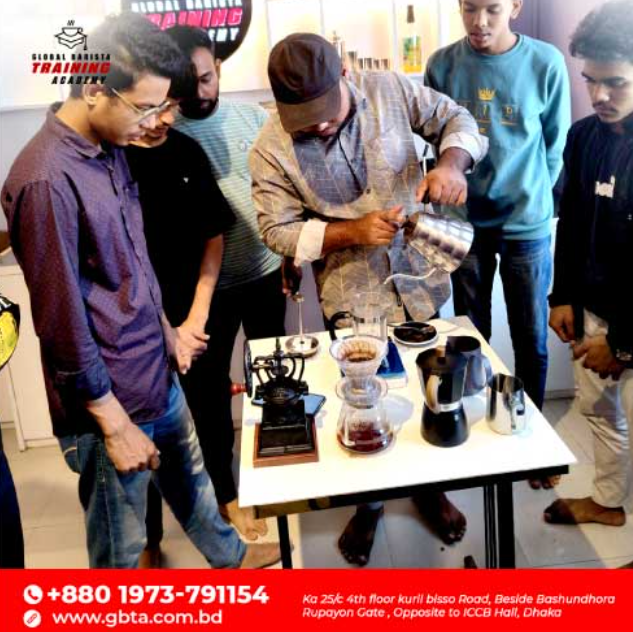
Professional barista courses in Dhaka teach far more than just coffee recipes. They cover coffee grinding, brewing techniques, latte art, machine handling, hygiene practices, and customer service.
When I joined a training academy, I started as a complete beginner. Step by step, I learned each skill with guidance from experienced trainers. By the end, I felt confident, creative, and ready to work in a real café environment.
Career Opportunities for Trained Baristas in Dhaka
After completing my training, I noticed how many doors opened. There are jobs in cafés, specialty coffee shops, and even options for freelancing or starting your own home-based coffee venture. I personally started helping a local café with menu design and beverage preparation, which later turned into a paid opportunity.
Dhaka’s coffee industry values certification and hands-on experience. Having formal training gives you credibility and a clear advantage over casual enthusiasts.
How Training Improves Employability and Confidence
Professional training boosts both skills and self-assurance. I remember the first day I had to serve customers; before training, I would have been nervous. But thanks to hours of guided practice, I handled orders, brewed coffee, and even suggested drinks confidently.
Certification from a recognized barista academy in Dhaka also improves employability. Employers value proof of training because it assures them that you understand the craft and café operations.
Choosing the Right Barista Training Program in Dhaka
Not every academy is the same. I spent time researching before enrolling. I looked for experienced trainers, hands-on sessions, student reviews, and recognized certification.
Visiting a training center and observing a class gave me confidence. Seeing students practice, ask questions, and create their own drinks showed me that practical learning is the key. The right academy can make the difference between hobby-level skills and professional expertise.
The Future of Coffee and Barista Careers in Dhaka
With the rise of specialty coffee, Dhaka will continue to need skilled baristas. Trends like latte art competitions, signature drink creation, and café entrepreneurship are gaining popularity.
From my experience, training early gives you a competitive edge. It’s not just about making coffee—it’s about understanding flavors, techniques, customer needs, and even running a small business if you choose to.
FAQs About Barista Training in Dhaka
How long does a typical barista course last?
The course I attended lasted 6–8 weeks. It was intense but manageable, covering all essential skills from espresso pulling to latte art.
What is the cost of a barista course in Dhaka?
My course cost around 15,000–20,000 BDT. Considering the access to machines, ingredients, and trainer guidance, it was worth every taka.
Do beginners need prior experience?
Absolutely not. I started as a complete novice. The course is designed to guide you from the basics to advanced skills step by step.
Can students get certified after the course?
Yes! I received a recognized certificate that boosted my confidence and opened doors for employment.
What career paths are available after training?
Trained baristas can work in cafés, specialty shops, or even start their own ventures. Personally, I leveraged my skills to work in a café while experimenting with home-based coffee projects.
Conclusion: Why Professional Training Matters
The demand for baristas in Dhaka is growing rapidly, and professional training is the key to success. From mastering espresso shots to creating signature drinks, the skills you gain are invaluable.
For me, taking a barista course transformed a simple curiosity about coffee into a fulfilling skill set. If you love coffee and want to turn your passion into a career, I can’t recommend professional training enough. It’s an experience that builds confidence, creativity, and real-world expertise—all essential for thriving in Dhaka’s vibrant coffee culture.