
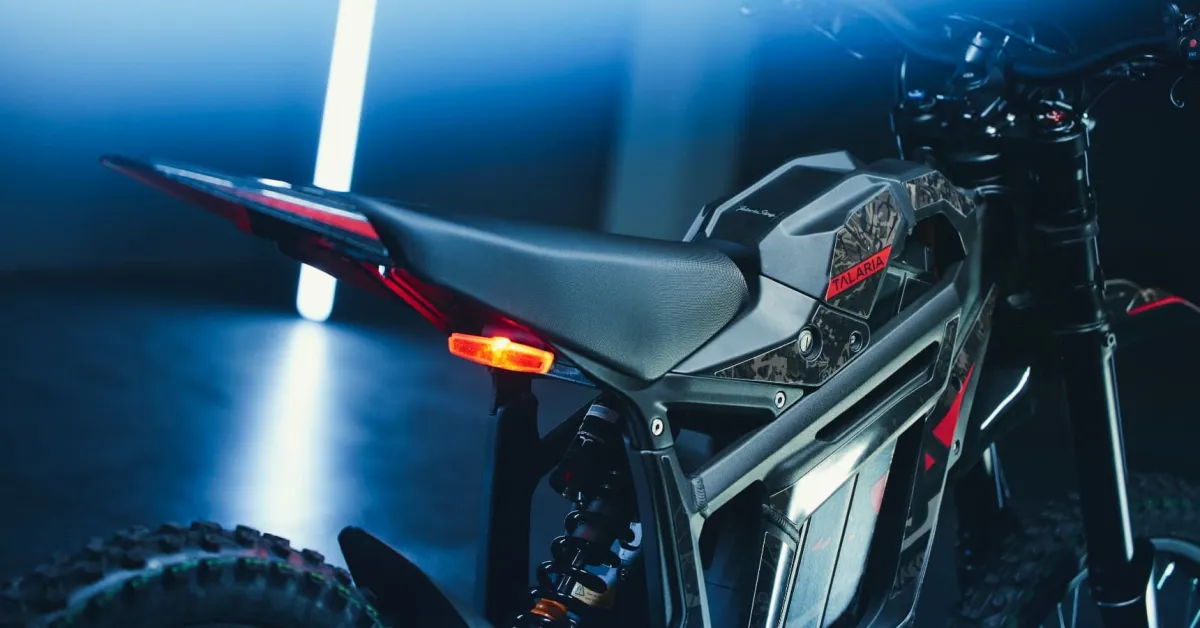
The rise of Talaria in the electric mobility space has marked a major turning point in how riders view off-road machines. Instead of treating electric bikes as simple commuter tools, Talaria has helped establish a new category of lightweight, high-torque electric off-road vehicles built for serious terrain riding. This shift has made the brand highly influential among both enthusiasts and new riders entering the electric dirt bike world.
The Core Identity of Talaria Machines
At its core, Talaria focuses on redefining performance through electrification. Unlike traditional dirt bikes that depend on engine displacement and fuel combustion, Talaria machines rely on electric motors that deliver instant torque and precise control.
This design philosophy prioritizes:
- Immediate throttle response
- Lightweight handling
- Reduced mechanical complexity
- Consistent performance across terrain types
Because of these principles, Talaria has become a strong alternative to gasoline-powered off-road motorcycles.
Advanced Motor Technology and Torque Delivery
One of the defining features of any Talaria machine is its motor system. These motors are engineered to provide high torque at low speeds, which is especially important for off-road riding conditions such as steep climbs, rocky paths, and uneven terrain.
The electric drivetrain allows riders to experience:
- Smooth acceleration without gear shifting
- Predictable power output in technical sections
- Strong climbing ability even at low speeds
This makes Talaria bikes especially effective in environments where control matters more than top speed.
Frame Architecture and Weight Distribution
The structural design of Talaria bikes plays a major role in their performance. Engineers focus heavily on balancing strength and weight reduction, using reinforced aluminum alloys and compact component layouts.
A key design advantage is the low-mounted battery placement, which improves stability. This lower center of gravity helps riders maintain balance during sharp turns, jumps, and downhill descents.
The result is a bike that feels agile, stable, and easy to control even in challenging terrain.
Suspension Systems and Terrain Adaptability
Suspension is critical for off-road performance, and Talaria machines are equipped with long-travel systems designed to absorb impact from rough surfaces. Whether riding over rocks, roots, or uneven dirt trails, the suspension helps reduce rider fatigue and improve control.
Key suspension benefits include:
- Improved shock absorption on rough terrain
- Better traction during high-speed sections
- Increased rider comfort on long rides
Combined with off-road tires, this system ensures strong grip and stability across a variety of surfaces.
Battery Performance and Energy Efficiency
Battery systems are at the heart of every Talaria machine. These lithium-ion packs are designed to deliver steady power output while maintaining efficiency under demanding conditions.
Important battery characteristics include:
- Stable voltage delivery during acceleration
- Heat-resistant design for long rides
- Optimized energy density for better range
Riders often adjust their riding style based on terrain to maximize battery life. Smooth acceleration and controlled speed help extend range, while aggressive riding reduces runtime significantly.
Riding Experience and Control Dynamics
The riding experience on a Talaria machine is distinct from both bicycles and traditional motorcycles. Because there is no clutch or gearbox, riders rely entirely on throttle control and body positioning.
This creates a more intuitive learning curve once riders adapt to the instant torque. However, it also requires careful throttle management, especially on slippery or technical terrain where sudden power can affect traction.
The silence of the electric motor also changes the riding experience, allowing riders to focus more on terrain feedback and less on engine noise.
Low Maintenance Advantage
One of the biggest advantages of Talaria machines is their simplicity in maintenance. Without a combustion engine, there is no need for oil changes, fuel system servicing, or complex engine tuning.
Typical maintenance includes:
- Brake system inspection
- Tire and wheel maintenance
- Chain or belt adjustment
- Suspension tuning
This reduced maintenance burden makes ownership more accessible and cost-effective over time.
Environmental and Practical Benefits
Because Talaria machines are fully electric, they produce zero direct emissions during operation. This makes them an environmentally friendly alternative to gas-powered off-road bikes.
Additional benefits include:
- Reduced noise pollution
- Lower operating costs
- Greater accessibility in noise-restricted areas (where allowed)
These advantages make Talaria appealing not only to riders but also to communities concerned about environmental impact.
Market Growth and Industry Influence
The popularity of Talaria has grown rapidly as electric mobility continues to expand globally. Riders are increasingly attracted to electric off-road machines due to rising fuel costs, improved battery technology, and growing environmental awareness.
As a result, Talaria has become a recognized name in the electric dirt bike industry, influencing how competitors design and develop similar vehicles.
Future Development Trends
The future of Talaria is closely tied to advancements in electric vehicle technology. Expected improvements include:
- Higher-capacity batteries with reduced weight
- Faster charging capabilities
- Smarter traction and power management systems
- More durable components for extreme riding conditions
These innovations will likely enhance both performance and accessibility, making electric off-road riding more mainstream.
Conclusion
Talaria represents a major shift in off-road transportation, combining electric efficiency with high-performance engineering. With strong torque delivery, lightweight construction, and low maintenance requirements, Talaria machines offer a modern alternative to traditional dirt bikes.
As technology continues to evolve, Talaria is positioned to remain a key driver in the growth of electric off-road mobility worldwide.