
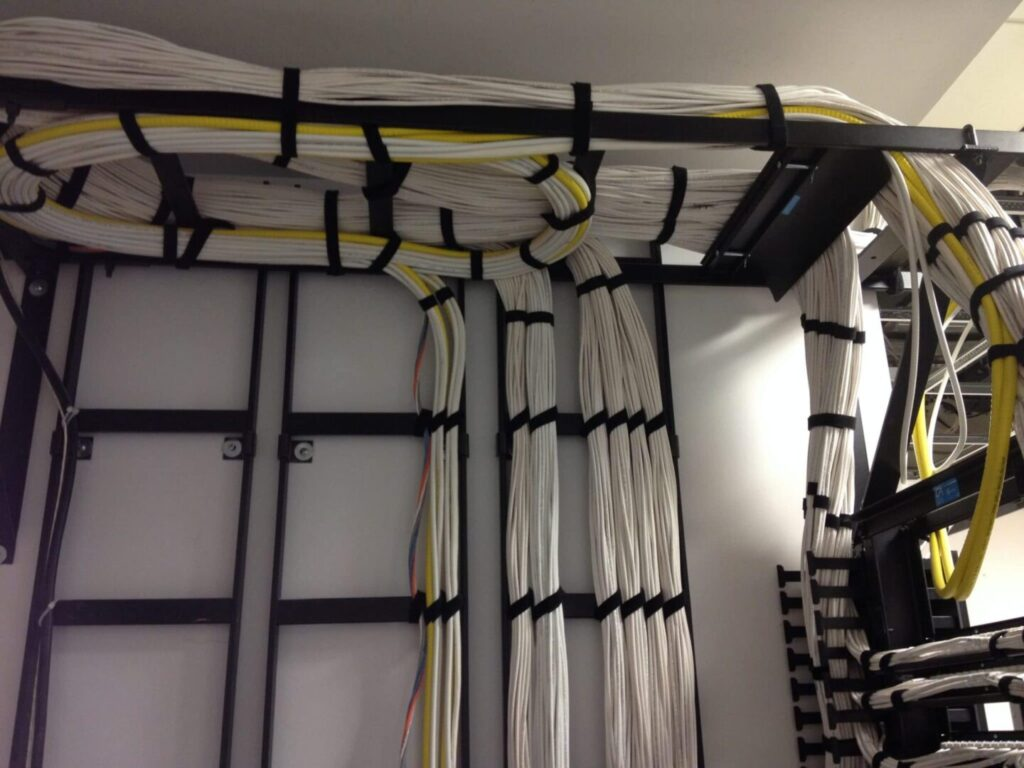
Network cabling is a fundamental part of modern communication systems, connecting computers, servers, phones, and other devices within homes, offices, and large organizations. It provides the physical infrastructure that allows data to travel quickly and securely between devices. Without proper network cabling, businesses would struggle with slow connections, unstable networks, and communication breakdowns.
One of the main types of network cabling is Ethernet cable, which is widely used in both residential and commercial environments. Ethernet cables, such as Cat5e, Cat6, and Cat6a, are designed to transmit data at high speeds with minimal interference. Each category offers different performance levels, with newer cables supporting faster speeds and greater bandwidth. Choosing the right cable type depends on the network’s size, speed requirements, and future expansion plans.
Fiber optic cabling is another advanced option used in modern networking. Unlike traditional copper cables, fiber optics use light signals to transmit data at extremely high speeds over long distances. This makes fiber optic cabling ideal for large organizations, data centers, and internet service providers. It also offers better resistance to electromagnetic interference, ensuring more stable and reliable connections.
Proper installation of network cabling is essential for performance and reliability. Professional network cabling technicians plan cable routes carefully to avoid interference, signal loss, and physical damage. Cables are often organized using structured cabling systems, which provide a standardized layout for managing connections across a building. This organization makes it easier to troubleshoot issues, upgrade systems, and expand networks in the future.
Network cabling also plays a key role in business efficiency. A well-designed network allows employees to share files, access cloud services, and communicate seamlessly. Fast and stable connections improve productivity and reduce downtime. In industries such as healthcare, finance, and education, reliable network infrastructure is critical for daily operations and data security.
Cable management is an important part of maintaining a strong network system. Poorly organized cables can lead to signal interference, overheating, and difficulty in identifying connection problems. Professional installers use cable trays, labels, and management tools to keep cables organized and accessible. Proper cable management also improves safety and reduces maintenance costs over time.
Security is another important consideration in network cabling. Physical network connections are generally more secure than wireless systems because they are harder to intercept. However, proper installation and protection are still necessary to prevent unauthorized access or damage. Secure cabling systems help protect sensitive business data and maintain network integrity.
Network cabling is also essential for supporting modern technologies such as VoIP (Voice over Internet Protocol), security cameras, and smart building systems. These technologies rely on stable and high-speed connections to function properly. For example, security cameras require continuous data transmission, which is best supported by reliable wired connections.
Maintenance and regular inspection of network cabling help ensure long-term performance. Over time, cables may become damaged due to wear, environmental conditions, or improper handling. Routine checks help identify issues early and prevent network failures. Upgrading outdated cabling systems can also improve speed and efficiency as technology advances.
In conclusion, network cabling is the backbone of modern communication infrastructure. From Ethernet and fiber optic cables to structured installations and cable management, every aspect plays a role in ensuring fast, secure, and reliable connectivity. Whether for homes, offices, or large enterprises, proper network cabling is essential for supporting today’s digital world.