
Solving organisational challenges through Soft Systems Methodology often feels like stepping into a vast, unfamiliar forest. The trees represent perspectives, the pathways symbolise motivations, and the shifting light mirrors ongoing change. Instead of searching for a rigid mathematical map, practitioners must travel as explorers who observe, interpret, and understand the ecosystem before attempting intervention.
This reflective, human-centred approach aligns naturally with the evolving expectations of professionals who refine their analytical abilities through structured learning, such as business analyst training in bangalore, where empathy, clarity, and structured thinking are emphasised alongside technical skill.
Seeing Organisations as Living Ecosystems
Instead of describing a business analyst through conventional definitions, imagine such a professional as a botanist studying a living landscape. In Soft Systems Methodology, every department, team, decision, and conflict becomes part of a dynamic ecosystem. Nothing operates in isolation. A single change in one corner can ripple through the entire environment.
This lens encourages practitioners to look beyond processes and numbers. They examine beliefs, assumptions, internal politics, and the cultural soil in which problems grow. Soft Systems Methodology invites them to walk through this ecosystem slowly, noticing not only what is thriving but also what is struggling to survive.
The Role of Rich Pictures in Capturing Complexity
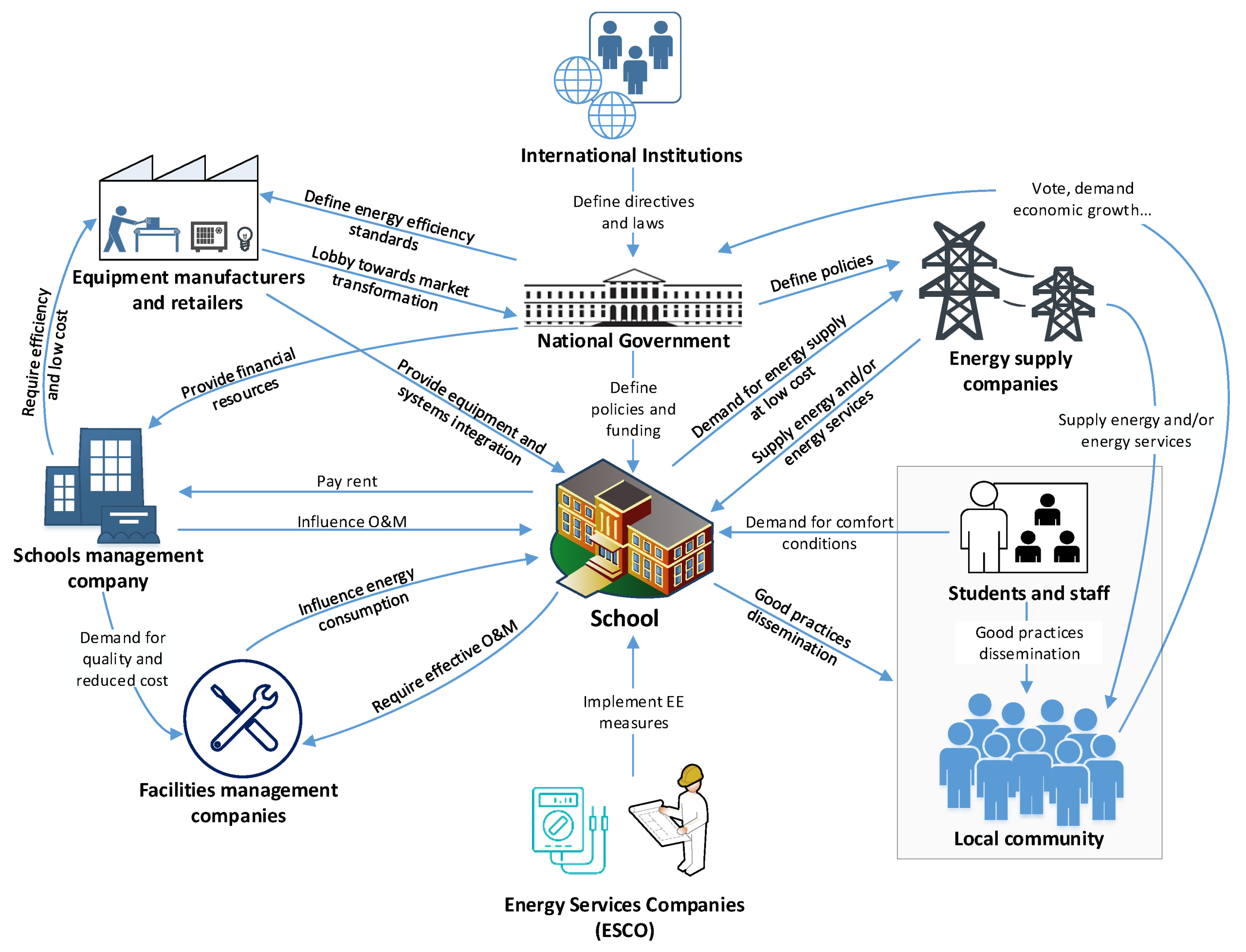
Rich Pictures are one of the most vivid storytelling tools in Soft Systems Methodology. They do not rely on equations or models but instead paint a visual narrative of the problem world. Picture an artist’s sketchbook where symbols, people, tensions, and opportunities coexist in a colourful, chaotic illustration.
These pictures allow stakeholders to externalise what they feel but cannot often articulate. Conflicts, misunderstandings, and hopes appear on the canvas with striking clarity. By creating this shared visual language, teams begin to recognise how deeply interconnected their experiences are, transforming confusion into collective insight.
Root Definitions as Lighthouses for Direction
Once perspectives are mapped, Root Definitions act like guiding lighthouses that illuminate possible futures. They define what a purposeful system might look like and establish the boundaries within which change can happen. A Root Definition does not simply state a process, it frames intent, stakeholders, environment, and desired purpose in a unified storyline.
The strength of this approach lies in its emphasis on meaning rather than mechanics. Instead of rigid instructions, Root Definitions provide direction, enabling teams to explore possibilities without getting trapped in technical jargon. This versatility echoes conceptual learnings often introduced in formal programmes such as business analyst training in bangalore, where problem framing is recognised as a foundational skill.
CATWOE: Understanding Change Through Multiple Lenses
Soft Systems Methodology employs a powerful interpretative tool known as CATWOE. Each letter represents a viewpoint: Customers, Actors, Transformation, Weltanschauung, Owners, and Environmental Constraints. These viewpoints encourage practitioners to look at the same problem through different windows.
Imagine walking around a sculpture. From one angle it appears smooth and peaceful, but from another it looks fragmented and complex. CATWOE performs this rotation metaphorically. It asks teams to compare vantage points, acknowledge conflicts, and align expectations before change is proposed. By embracing diverse viewpoints, organisations uncover insights that were previously hidden in plain sight.
Modelling Change Through Conceptual Pathways
Soft Systems Methodology does not prescribe a single solution. Instead, it offers conceptual models that outline a variety of pathways a system could take. These are not blueprints but structured thought experiments that act like trails drawn across the forest floor.
Stakeholders walk these trails mentally, questioning what is feasible, what is desirable, and what is culturally acceptable. Through this process, conceptual models become conversation starters rather than rigid instructions. They help teams understand the implications of change long before any action is taken, ensuring that outcomes are grounded in both logic and human sensitivity.
Conclusion
Soft Systems Methodology stands out as a reflective, humane, and deeply contextual approach to addressing organizational complexity. Instead of forcing problems into rigid quantitative frameworks, it invites teams to explore their challenges as travelers navigating a dynamic landscape. Through rich visualizations, thoughtful definitions, multiple perspectives, and conceptual models, this methodology transforms ambiguity into structured understanding.
This approach emphasizes that the core of problem-solving lies not solely in data, but in the people who contribute to the system. When organizations adopt this methodology, they foster clarity, collaboration, and resilience. The process evolves into a shared journey of discovery, resulting in changes that are not only effective but also meaningful. In a world where adaptability and insight are crucial, the principles reinforced within this framework empower professionals to use Soft Systems Methodology with confidence and purpose.

